
Planning Your Forever Home - 3 Mistakes to Avoid
Planning a “forever home” is exciting, but it’s also where small missteps can turn into long-term frustrations.
From an architectural perspective, the homes that stand the test of time aren’t just beautiful; they’re adaptable, efficient, and deeply aligned with how their owners actually live.
Here are three common mistakes to avoid when planning your forever home, and how to get it right from the start.
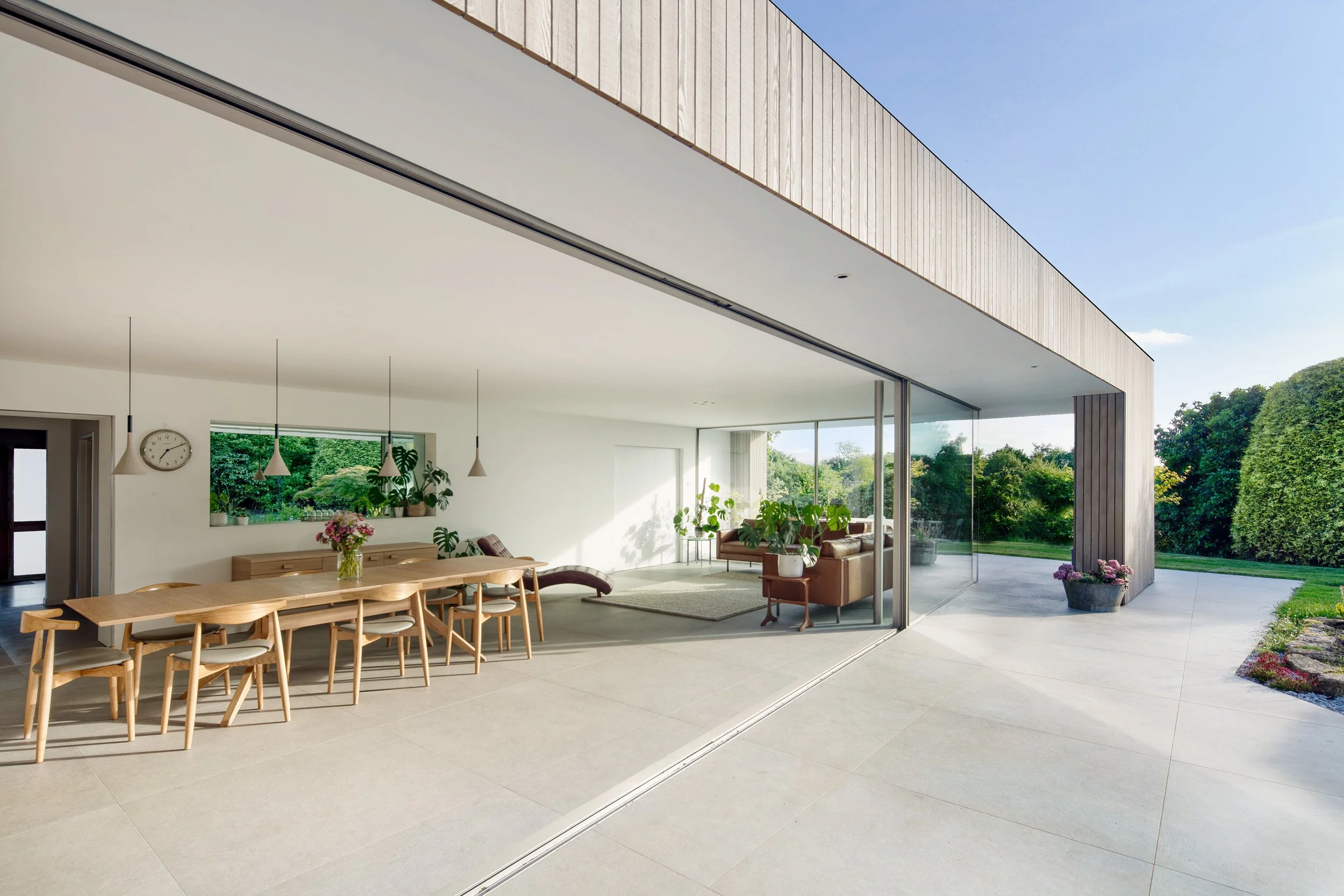
1. Designing for Now, Not for the Future
It’s natural to design around your current lifestyle. But a forever home needs to evolve with you.
We often see clients focus heavily on immediate needs, young children, current routines, or even trends, without considering how those needs will change over the next 10, 20, or 30 years. What happens when children move out? When mobility changes? When working from home becomes permanent?
What to do instead - Think in layers of time.
Incorporate flexible spaces that can shift purpose, a guest room that becomes a home office, or a ground-floor room that could later serve as a bedroom. Consider wider doorways, step-free access, and layouts that can accommodate future accessibility without compromising current aesthetics.
A well-designed home shouldn’t lock you into one phase of life, it should move with you.
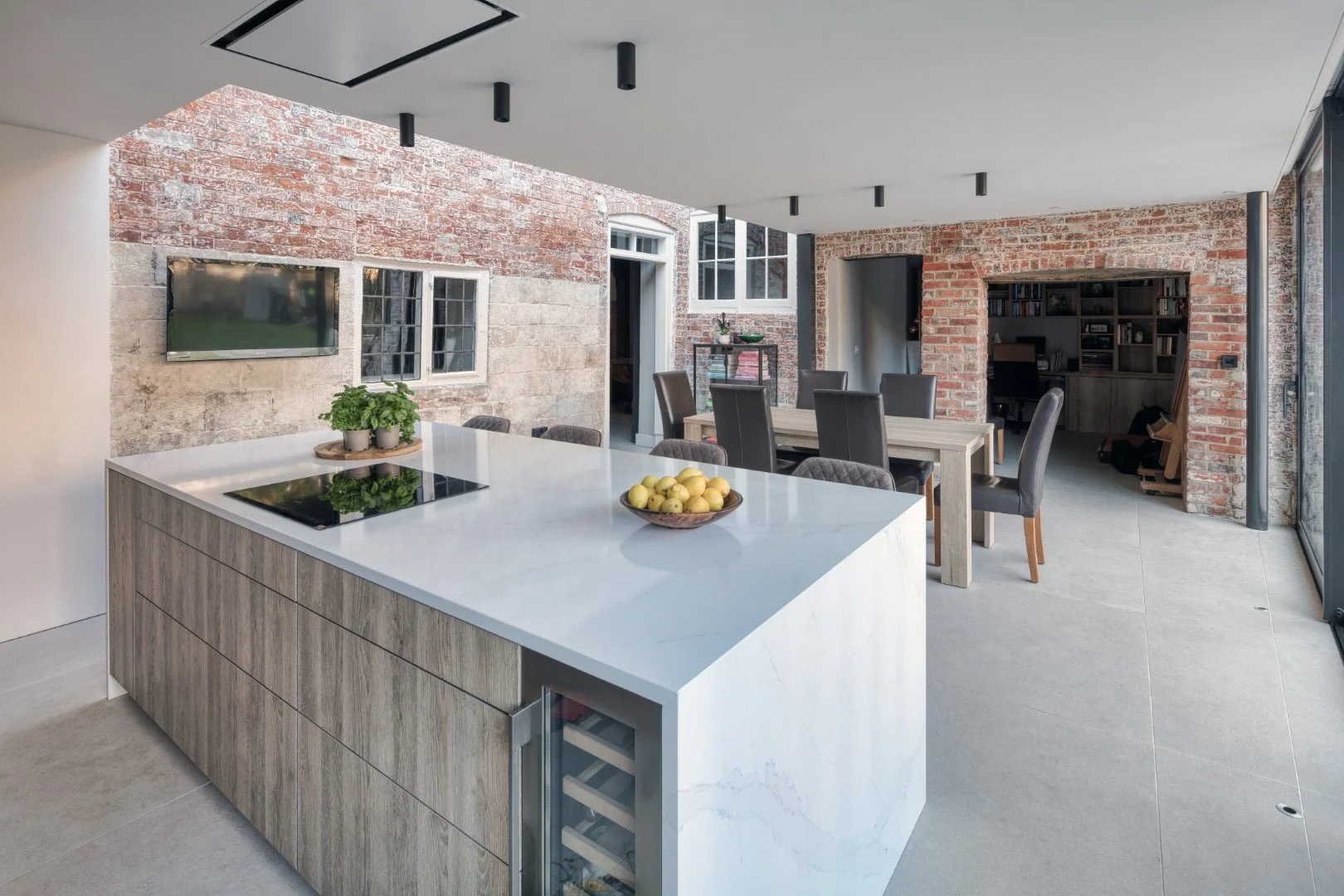
2. Underestimating the Importance of Layout Over Size
Bigger doesn’t always mean better. One of the most frequent regrets homeowners have is allocating too much space to the wrong areas, and not enough to the spaces they use daily.
It’s easy to get caught up in square footage targets or standout features, but poorly planned layouts can make even large homes feel awkward and inefficient.
What to do instead: Prioritise how you live day-to-day.
Where does natural light matter most? How do you move through your home in the morning? Where do clutter and bottlenecks tend to build?
We encourage clients to think in terms of flow rather than just rooms. Open-plan living works beautifully for some households, while others benefit from more defined, quieter spaces. The key is intentional zoning, public vs private, busy vs calm.
A well-considered layout will always outperform a larger but poorly organised one.

3. Overlooking Energy Efficiency and Long-Term Running Costs
A forever home isn’t just a design investment, it’s a long-term financial commitment. Yet energy performance and running costs are often treated as secondary considerations during planning.
With energy prices fluctuating and sustainability becoming increasingly important, this can be a costly oversight.
What to do instead: Integrate energy efficiency from the beginning, not as an after thought
Orientation, insulation, glazing, and ventilation strategies all play a major role in how your home performs year-round.
Simple decisions, like positioning living spaces to maximise daylight or choosing high-performance materials, can significantly reduce energy consumption while improving comfort.
Future-proofing your home also means considering renewable technologies, even if you don’t install them immediately. Designing with these in mind now can save major disruption later.
Your forever home should feel effortless to live in. Not just on day one, but decades down the line. Avoiding these common mistakes comes down to one core principle, designing with intention, not assumption.
Working closely with an architect early in the process allows you to challenge ideas, explore alternatives, and create a home that truly reflects both your present and your future.